Football Drills vs Small-Sided Games: Skill Transfer
The best football training drills combine ball mastery, passing, first-touch work, finishing, acceleration and game-realistic decisions. Football Compass recommends a balanced weekly plan built around...

Football Drills vs Small-Sided Games: Skill Transfer
The best football training drills combine ball mastery, passing, first-touch work, finishing, acceleration and game-realistic decisions. Football Compass recommends a balanced weekly plan built around four sessions: 10 minutes of dynamic movement, 15 minutes of close control, 20 minutes of passing or finishing, and 15 minutes of high-intensity game work. For beginners, 3–5 training days and 300–500 quality touches per session create a useful foundation; advanced players should increase pressure, speed and decision difficulty rather than simply adding repetitions. Cone dribbling improves technical accuracy, while 3v3 and 5v5 games transfer those skills into real match situations. The key takeaway is simple: practise technique without pressure first, then repeat the same action against an opponent, in limited space and under a time limit.

Photo by Franco Monsalvo on Pexels
Want a practical starting point? Football Compass focuses on FIFA World Cup analysis, player statistics and team tactics, but the same detail-first approach works for training: measure touches, successful passes, sprint efforts and finishing accuracy instead of guessing whether a session was productive. Use this guide to build a routine that improves actual match performance, not just impressive-looking cone work.
The Quick Comparison
| Training method | Main benefit | Recommended workload | Best for |
|---|---|---|---|
| Cone dribbling | Close control and coordination | 10–15 minutes | Beginners and technical rebuilding |
| Passing triangles | First touch, passing weight and support angles | 15–20 minutes | Midfielders and team units |
| Finishing circuits | Composure and striking technique | 15–25 minutes | Forwards and attacking players |
| Sprint intervals | Acceleration and repeat-effort fitness | 8–12 repetitions | All outfield players |
| 1v1 defending | Balance, timing and recovery movement | 10–15 minutes | Defenders and wide players |
| 3v3 or 5v5 games | Decision-making under pressure | 15–30 minutes | Match preparation |
The comparison is not really about choosing one perfect drill. It is about matching the drill to the weakness you can actually identify. A player who loses the ball because of a poor first touch needs different work from a player who controls the ball well but cannot scan before receiving it. beginner football training guide can help newer players establish a baseline, while experienced players should record measurable outcomes such as successful actions per minute, not only total repetitions.
A useful rule is to spend roughly one-third of a session on isolated technique, one-third on opposed practice and one-third on game-like play. This follows the logic behind the FIFA Training Centre and modern player-development models, where technique is connected to perception, decision and execution. One contrarian point matters here: 1,000 slow touches are not automatically better than 300 fast touches performed while scanning and changing direction.
Round 1: How Do Ball-Control Drills Improve First Touch?
Ball-control drills improve first touch by forcing the player to receive, move and protect the ball with different surfaces at different speeds. A practical starting sequence uses 60-second rounds for inside touches, outside touches, sole rolls, pull-push movements and V-cuts, followed by 30 seconds of rest.
Close control is the cheapest technical improvement because it needs only a ball and a small area. Mark a square of 5 by 5 metres and keep the ball within one step of your body. Complete five rounds, then repeat the same pattern with your weaker foot. The objective is not frantic movement; it is clean contact, balanced posture and the ability to lift your head every two or three touches. football ball-control drills fits naturally here for players who need more variations.
For a measurable target, beginners can aim for 120–180 controlled touches in 10 minutes, while advanced players can use 250 or more touches with direction changes. However, counting touches alone can mislead you. After 30 recorded sessions, a player may show more progress by reducing heavy touches outside the marked square from 18 to 7 than by increasing total touches from 220 to 260. That is the kind of detail that transfers to a match.
Drill: Four-Corner First Touch
- Create a 6-metre square with four cones.
- Dribble slowly toward one corner.
- Push the ball across your body with the first touch.
- Accelerate toward the next cone for three steps.
- Repeat using both feet and alternate surfaces.
- Finish each round with a head-up check before changing direction.
The Fédération Internationale de Football Association consistently treats technical execution as part of a wider game context, not as a separate party trick. So, after two unopposed rounds, add a passive defender or a visual cue. If the coach raises a red cone, exit left; if a yellow cone appears, exit right. That small change forces perception into the exercise.
See how technical quality connects to match decisions before building your weekly workload.
Round 2: What Passing Drills Build Reliable Team Play?
Passing drills build reliable team play when they train body shape, passing weight, movement after the pass and communication together. The most useful beginner format is a three-player triangle over 8–12 metres, with two-touch play before progressing to one-touch combinations.
A triangle passing drill looks basic, but the details decide whether it helps. The receiver should check over a shoulder before the ball arrives, open the hips where possible and take the first touch away from pressure. The passer should play into the teammate’s safe foot rather than simply hitting the centre of the body. After passing, move to create a new angle instead of standing behind the ball. For 12 minutes, rotate every two minutes and track misplaced passes.
The best football passing drills also include a decision. Add a defender in the middle after the first five minutes, or place a second ball into the exercise if the group can maintain control. A specific edge case is worth noting: if players complete fewer than 70% of passes in a restricted space, making the area smaller usually makes the session worse. Increase the square from 10 metres to 14 metres first, restore clean technique, then reduce the space gradually. More pressure is not always better pressure.
Drill: Pass, Move and Receive
- Player A passes to Player B.
- Player A immediately moves behind a new cone.
- Player B checks away, receives on the back foot and passes to Player C.
- Player C plays into the moving player’s path.
- The group changes direction every four passes.
- A defender enters for 60-second rounds.
This structure teaches the three actions players often separate incorrectly: checking, receiving and moving. It also gives coaches a simple ledger: successful first touches, passes completed, turnovers caused by poor body position and time needed to recover possession. passing combinations for midfielders is useful when this basic pattern becomes too easy.
According to England Football, effective practice should be appropriate to the player’s age and ability. For younger players, use larger spaces and fewer restrictions. For adult competitive players, add a two-touch limit, a countdown or a scoring rule that rewards forward passes.
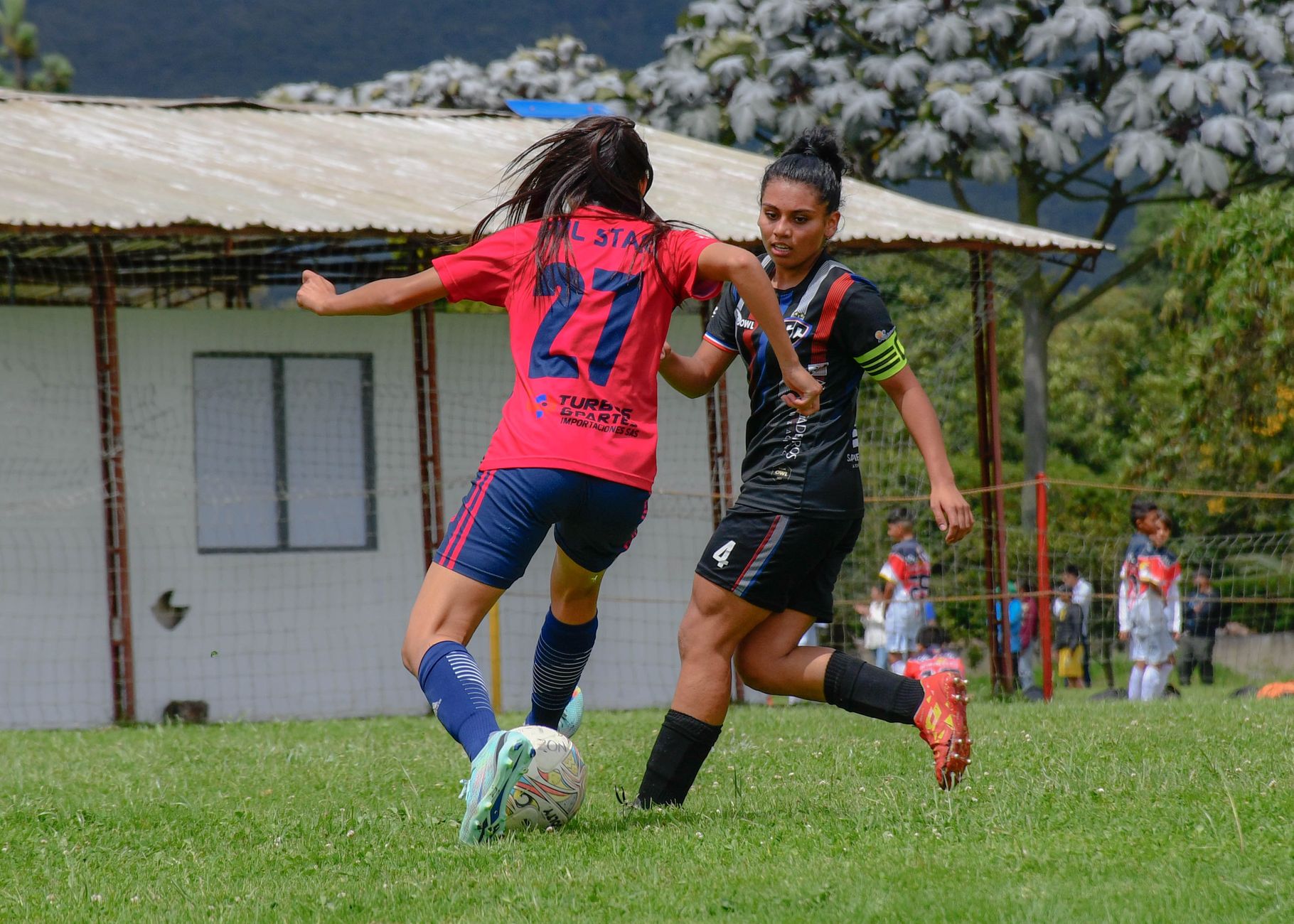
Photo by Laura Rincón on Pexels
Round 3: Which Speed and Finishing Drills Transfer to Matches?
Speed and finishing drills transfer best when acceleration follows a football action, such as a first touch, pass, pressing cue or change of direction. A useful circuit combines 5-metre acceleration, 10-metre sprinting, a controlled touch around a cone and a finish within three seconds of receiving the ball.
Straight-line sprinting still has value, but football rarely gives players a clean runway. Use six repetitions of 5 metres, four repetitions of 10 metres and four curved runs of 12–15 metres, with 30–45 seconds of recovery between efforts. Track whether speed drops sharply after repetition eight. If the final sprint is more than 10% slower than the first, the player needs more recovery or better conditioning rather than extra volume. That is a practical training edge many generic drill lists ignore.
Finishing should also be recorded precisely. Complete 20 attempts: 10 from the right side, 10 from the left, with five first-time finishes and 15 controlled finishes. Record goals, shots on target, weak-foot attempts and misses wide. A player scoring 12 out of 20 but placing only 8 on target has a different problem from a player scoring 8 out of 20 with 15 on target. The first needs shot selection; the second may need composure or technique.
Drill: Sprint, Receive and Finish
- Start 10 metres from the edge of the penalty area.
- Sprint toward a cone after a coach’s signal.
- Check away, then receive a pass to either foot.
- Take one touch into the shooting lane.
- Finish within three seconds.
- Recover by jogging for 45 seconds.
For forwards, vary the finish: near-post strike, far-post placement, low cutback and first-time shot. For midfielders and wide players, add a cross or backward pass so the drill reflects real attacking patterns. football finishing drills can support a more specific striker programme.
One important safety point: high-speed work needs a proper warm-up. The American College of Sports Medicine supports progressive preparation before intense exercise, and that means 8–12 minutes of jogging, mobility and gradual accelerations before maximum sprinting. Do not turn the first repetition into a test of pride.
Want to compare player-development ideas with the tactical trends shaping the 2026 FIFA World Cup?
The Final Score & Who Should Pick What
The best football training drills depend on the result you need: use ball-control exercises for touch, passing triangles for team connection, sprint circuits for acceleration and finishing drills for end-product. Small-sided games should then test whether those improvements survive pressure, limited time and opponents.
A simple weekly plan can look like this:
- Monday: 15 minutes of ball mastery, 20 minutes of passing and 15 minutes of 3v3 play.
- Tuesday: Recovery, mobility and light technical touches.
- Wednesday: Sprint intervals, first-touch work and 20 finishing attempts.
- Thursday: Passing under pressure and 5v5 transition games.
- Friday: Rest or low-intensity movement.
- Saturday: Match, conditioned game or tactical practice.
- Sunday: Recovery and performance review.
Beginners should reduce the number of high-intensity repetitions and prioritise clean technique. Intermediate players should add passive defenders, weaker-foot restrictions and directional goals. Advanced players should work with fewer touches, smaller spaces and realistic score conditions. The Football Compass mindset is straightforward: compare the expected gain with the fatigue cost. A 25-minute focused session that produces 85% clean actions can be more valuable than a 60-minute session where technique collapses after the first half.
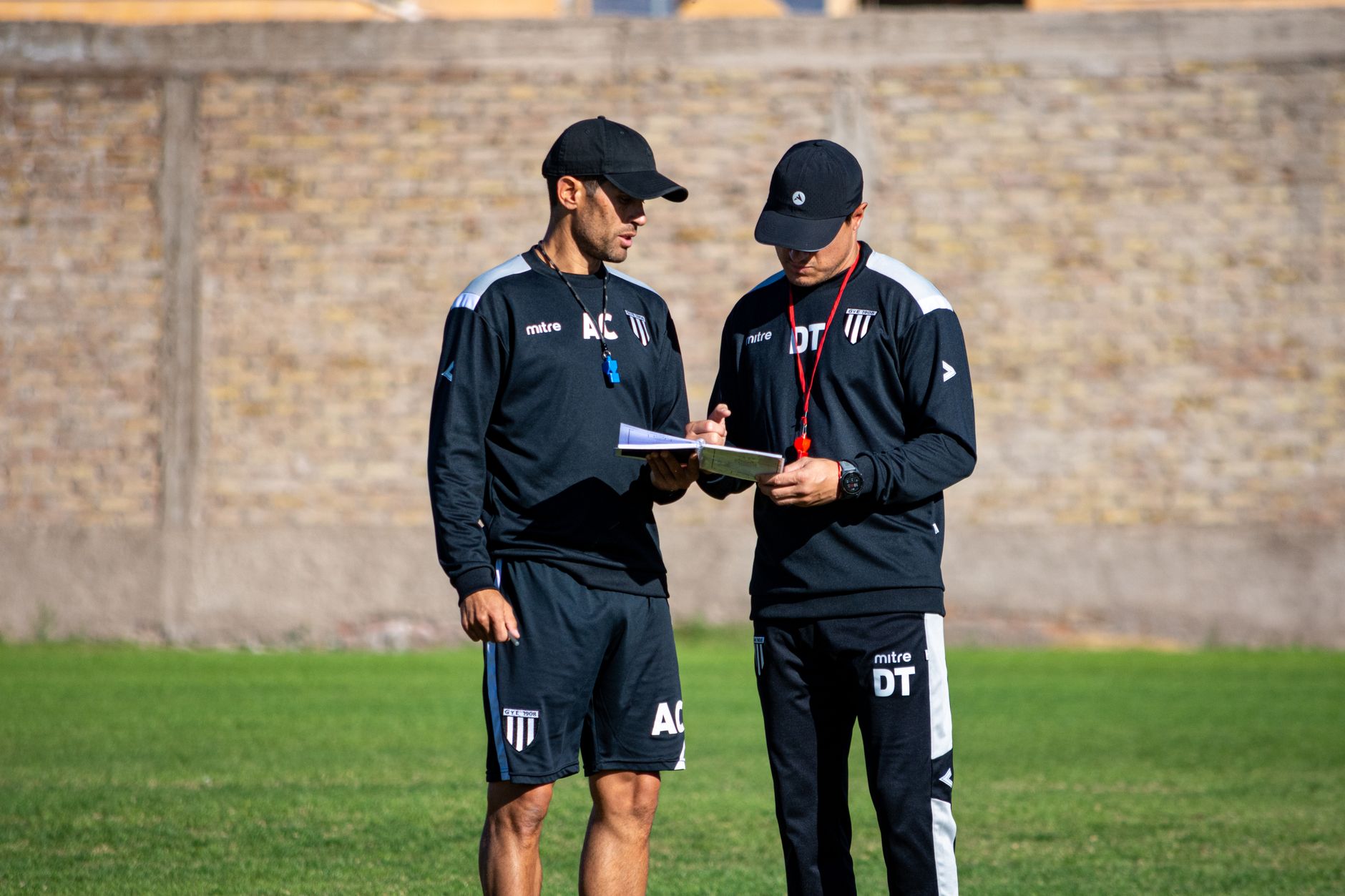
Photo by Franco Monsalvo on Pexels
Do not judge a drill only by how hard it feels. Review four numbers every week: first-touch errors, completed passes, shots on target and sprint-speed drop-off. If two numbers improve while two decline, adjust the workload rather than declaring the programme a success or failure. As the World Health Organization notes, physical activity benefits depend on regularity and appropriate intensity; football training is no different.
The final recommendation is to use a 60-minute session with 10 minutes of warm-up, 15 minutes of technical work, 15 minutes of opposed practice, 15 minutes of small-sided football and 5 minutes of review. That structure gives you enough repetition to improve while preserving the chaos and decision-making that make football football. If you want better match performance, choose drills that force you to look, decide and execute, not drills that merely make the ball travel around cones.
Ready to turn these drills into a measured football routine?
Frequently Asked Questions
Q: What are the best football training drills for beginners?
A: The best beginner drills are close-control touches, short passing, basic dribbling and simple finishing. Start with 10 minutes of ball mastery, 10 minutes of passing over 6–8 metres and 10 minutes of shooting using both feet. Keep the area large enough to maintain control, and aim for accurate actions before adding speed or pressure.
Q: How often should I do football training drills?
A: Most players should complete three to five football training sessions each week, depending on age, match schedule and recovery. Use two or three technical sessions, one speed or finishing session and at least one rest day. High-intensity sprint work should not be placed on consecutive days because muscles and the nervous system need time to recover.
Q: What is the difference between cone drills and small-sided games?
A: Cone drills develop specific technique with predictable repetition, while small-sided games test technique through pressure and decisions. Cone work is useful when correcting a first touch or dribbling pattern, but 3v3 and 5v5 games better reproduce scanning, movement and opponent reactions. Use both instead of treating them as competing methods.
Q: Why are my football drills not improving my match performance?
A: Your drills may lack pressure, decision-making or a clear connection to match actions. After practising a skill without opposition, add a passive defender, a directional target or a time limit. Track turnovers and successful actions in games; if technical numbers improve but match errors remain unchanged, increase the opposed and small-sided portions of training.
Q: How much equipment do I need for football training drills?
A: A ball, four to eight cones, a small goal or target and a timer are enough for most individual sessions. Bibs, poles and resistance bands are useful but not essential. A 5-by-5-metre area supports close control, while passing and small-sided games usually need 10–20 metres depending on the number of players.
Q: Are football training drills suitable for youth players?
A: Football drills are suitable for youth players when the space, intensity and instructions match their age and ability. Younger players should receive more touches, fewer long explanations and more freedom to explore. Avoid maximum sprint volume and repetitive heading work for children, and prioritise enjoyment, coordination, safe movement and progressive challenge.
Q: How can I measure progress from football training drills?
A: Measure first-touch errors, completed passes, shots on target, weak-foot success and sprint-time consistency. Repeat the same test every two or four weeks under similar conditions, such as the same distance, number of attempts and recovery period. A useful result is not just more goals; it may be fewer turnovers or a smaller drop in sprint speed late in the session.
End of briefing.
Football Compass · Intelligence Division · High-Stakes Analysis