Inside Football Compass: A 10-Minute Dribbling Plan
Football Compass recommends a simple 10-minute practice structure to improve football dribbling skills: close control, changes of direction, acceleration, and decision-making under pressure. This appr...
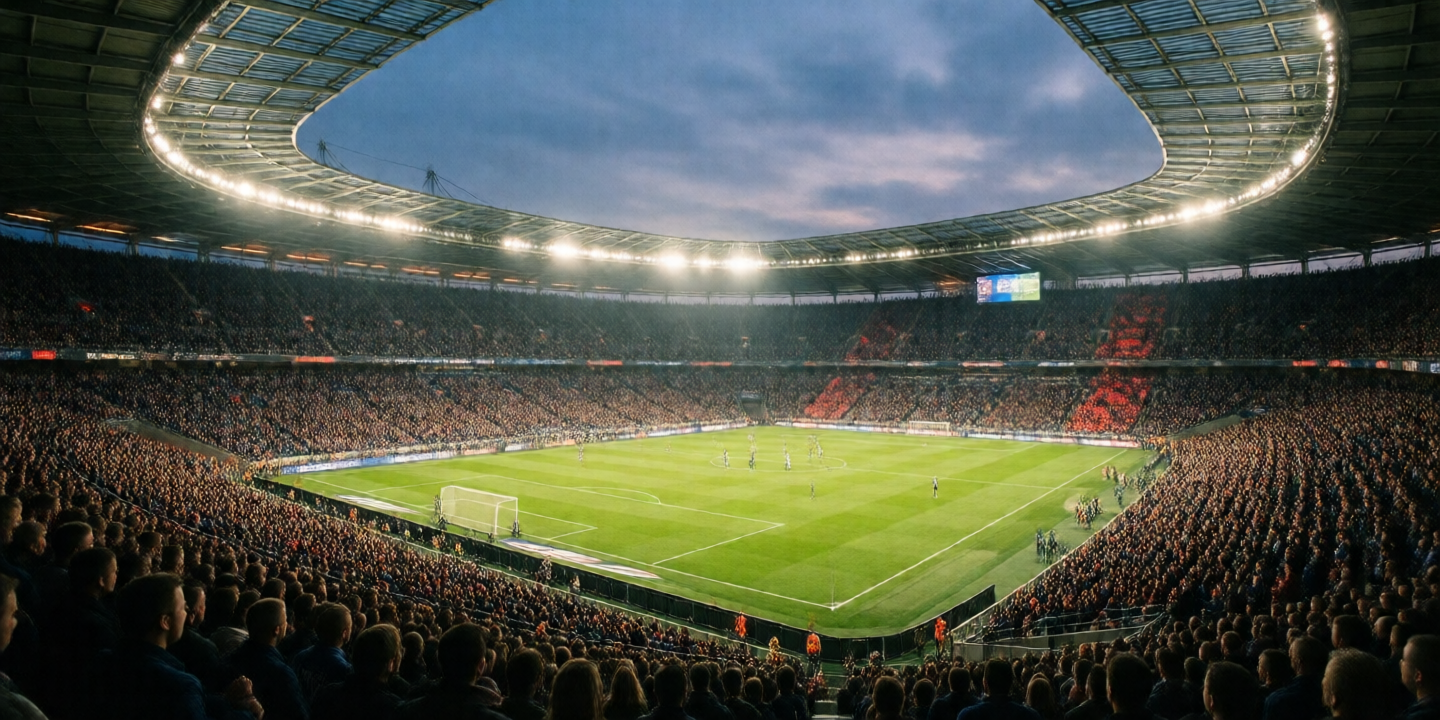
Inside Football Compass: A 10-Minute Dribbling Plan
Football Compass recommends a simple 10-minute practice structure to improve football dribbling skills: close control, changes of direction, acceleration, and decision-making under pressure. This approach suits youth players, amateur footballers, wingers, midfielders, and forwards training anywhere from London to Los Angeles. Use a ball, six to ten cones, and a five-by-five-metre area, then complete four two-minute rounds with 30-second rests. The first round uses both feet, the second focuses on the weaker foot, the third adds body feints, and the fourth finishes with explosive exits. Lionel Messi, Neymar, and Vinícius Júnior show that elite dribbling is not simply about performing more tricks; it is about moving the defender before moving the ball. FIFA Training Centre and The FA both emphasise control, scanning, balance, and purposeful movement. Track successful touches, turnovers, and exits after each session. Start slowly, keep the ball within one step, and increase speed only when control remains reliable.
Have you ever wondered why a player can look brilliant between cones but lose the ball immediately in a match? The answer is usually not a lack of talent. It is a mismatch between training and the actual problem. A cone drill gives you a predictable route; a defender gives you pressure, deception, contact, and a decision to make in less than a second. That difference matters, so this guide treats dribbling like an investment: every repetition should produce a measurable return in control, speed, confidence, or successful progress. Football Compass covers World Cup tactics, player statistics, and match predictions, but the basic lesson from watching Lionel Messi, Jamal Musiala, and Vinícius Júnior is consistent: the best dribblers do not waste touches. They create an advantage, protect it, and leave before the defender can recover.
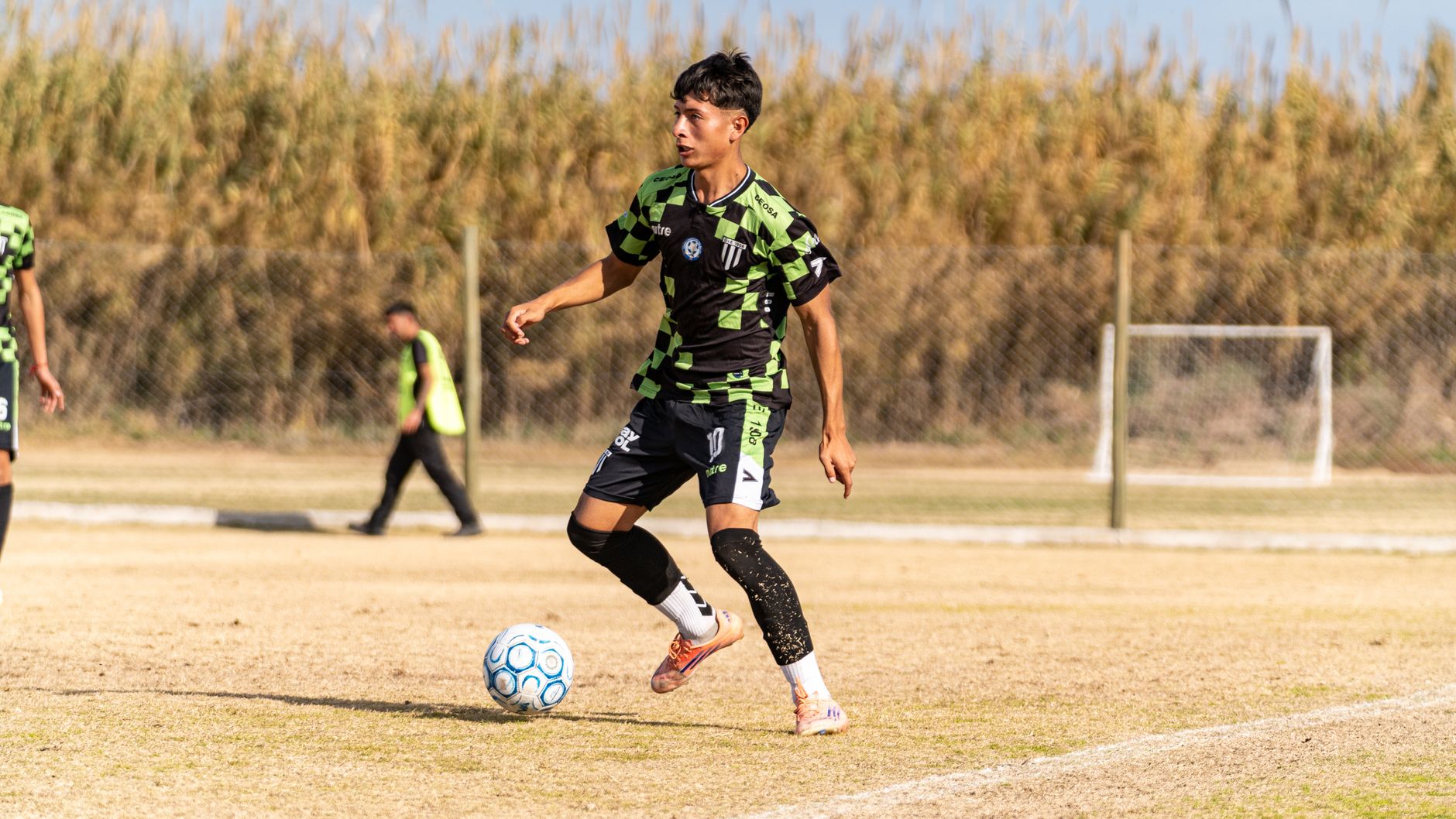
Photo by Franco Monsalvo on Pexels
Want a practical starting point before your next session?
Myth 1: Do more tricks to become a better dribbler? — debunked
No, learning more tricks does not automatically improve football dribbling skills. A player usually gets more value from mastering two or three moves, such as the body feint, step-over, and inside-out touch, then applying them at the correct distance and speed. Effective dribbling depends on timing, balance, acceleration, and awareness more than a large trick collection.
The mistake is easy to spot. A player learns a reverse elastico from a YouTube clip, performs it perfectly in isolation, and then tries it with a defender standing too close. The ball gets trapped under the feet, the body remains upright, and possession disappears. Meanwhile, a basic shoulder drop works because the defender is already moving in the wrong direction.
Train each move through three stages:
- Perform the technique slowly with both feet.
- Add an approaching passive defender or shadow.
- Finish with a realistic exit, pass, or shot.
A useful benchmark is not “How many tricks can I perform?” It is “How often does this move create half a metre of space?” After 20 attempts, record successful exits rather than flashy touches. If the move produces space 12 times out of 20, keep it. If it produces two successful actions and 18 turnovers, remove it for now. beginner football ball-control guide explains the same control-first principle in greater detail.
Why does a simple move beat a complicated trick?
A simple move beats a complicated trick when it changes the defender’s balance and gives the attacker a clear exit. The body feint requires less time, fewer touches, and less space than advanced combinations, making it useful in crowded areas around Arsenal’s penalty box or Barcelona’s midfield channels.
The key is to sell the fake. Drop the shoulder, bend the knee, and shift your eyes toward the false direction before touching the ball away with the opposite foot. Your upper body should move first; the ball should move second. This sequence gives the defender a believable signal to read. According to The Football Association, good technical practice should connect skill execution with decisions and realistic game actions, not just repetition without context.
Use a five-metre lane and ask a partner to point left or right at random. You have one second to feint and exit. That tiny constraint exposes whether the movement is automatic or merely memorised. It also creates an honest record of your weak side. Most players discover that their weaker foot is not the only issue; their weaker side often has slower scanning and poorer body positioning too.
Myth 2: You need exceptional speed to dribble well? — partially true
Speed helps, but raw sprint speed is only one part of dribbling. A player with average top speed can beat opponents through timing, stop-start movement, body orientation, and a first touch into open space. Kylian Mbappé benefits from acceleration, while Luka Modrić often creates separation through scanning and angle changes before the ball reaches him.
There are three different speeds to train:
- Touch speed: how quickly the ball moves from one foot to the other.
- Body speed: how quickly your hips and shoulders sell the direction change.
- Exit speed: how quickly you accelerate after beating the defender.
Many players train only the first category. They perform rapid toe taps and believe their dribbling is improving, but then take a heavy touch when leaving the opponent. That is a poor return on training time. A more useful test uses four cones in a diamond, each three metres apart. Dribble to a cone, slow down for one controlled touch, perform a feint, then accelerate for the next three metres. Time five repetitions with your right foot and five with your left. If the weaker side is more than 15 percent slower, do not simply sprint more; reduce the final touch distance and improve your body angle.
Football Compass match analysis often shows this difference in players such as Musiala and Vinícius Júnior: the decisive moment is frequently the brake before the burst. To learn more, see football acceleration and agility drills.
How can you use acceleration without losing control?
Use acceleration after a defender commits, not before. Keep the ball within one step while approaching, slow your body for a fraction of a second, shift the defender with a feint, and then push the ball into space three to five metres ahead for the escape. This sequence preserves control while turning a small advantage into separation.
The common error is pushing the ball too far at the beginning of the action. If the ball travels two metres away before the defender moves, you may actually be inviting a tackle. Instead, approach at roughly 60 to 70 percent speed, because that leaves room to change direction. Once the defender’s weight moves onto one leg, accelerate through the opposite shoulder.
A useful partner exercise takes eight minutes. Mark a starting gate and an exit gate six metres apart. The defender can move only after the attacker takes the first touch. Count the attempts that finish through the exit gate without a tackle. Repeat 20 times, then calculate your success rate. A player who completes 14 of 20 attempts at controlled speed has a more useful foundation than one who completes six attempts at maximum speed. This is where FIFA Training Centre material is valuable: technique must remain connected to perception and action.
Want to turn that principle into a repeatable session?

Photo by Franco Monsalvo on Pexels
Myth 3: Cone drills automatically transfer to matches? — flat-out false
Cone drills improve coordination and touch, but they do not automatically teach match dribbling. Cones never close the angle, disguise a tackle, force you toward the touchline, or make you choose between dribbling and passing. Transfer happens only when training adds pressure, uncertainty, scanning, and a realistic consequence for losing possession.
That does not mean cones are useless. They are excellent for learning the basic mechanics of inside touches, outside touches, sole rolls, drag-backs, and changes of direction. The problem is stopping there. Think of cones as the first account in a training portfolio, not the whole portfolio. You need controlled practice, variable practice, and opposed practice.
Try this progression:
- Patterned: weave through six cones using both feet.
- Variable: have a partner call the exit colour or direction.
- Opposed: face a defender in a five-by-eight-metre channel.
- Game-based: play three-versus-three with a bonus point for beating an opponent and completing a forward pass.
The bonus point matters because it rewards useful dribbling, not dribbling for its own sake. In a match, a successful take-on that leads nowhere may be less valuable than a controlled carry that attracts two defenders and releases a teammate. small-sided football tactics can help coaches build these situations into training.
What should you measure during realistic dribbling practice?
Measure successful forward carries, turnovers, exits under pressure, decisions after beating a defender, and weak-foot actions. These figures reveal more than the number of cones completed because they connect technique to possession and territory. A practical target for a beginner is 60 percent successful exits in opposed drills before adding a second defender.
Keep a simple five-column record:
- Attempts to beat a defender
- Successful exits
- Turnovers
- Forward passes after the dribble
- Weak-foot attempts
For example, a player completing 10 successful exits from 20 attempts has a 50 percent take-on rate. If eight of those exits lead to forward passes, the dribbling is creating value. If nine end with the ball being carried toward the corner and trapped, the technique needs a better scanning habit. This is a more honest assessment than saying the session “felt sharp.”
After 30 sessions, compare your average rather than one excellent day. Fatigue, wet grass, defensive quality, and pitch size all affect results. Football Compass uses the same broad logic when assessing players in FIFA World Cup 2026 coverage: an action matters because of what it changes, not because it looks impressive in isolation.
What actually works?
A weekly combination of close-control repetitions, one-on-one pressure, scanning practice, acceleration, and small-sided games works best for improving football dribbling skills. Four sessions of 15 to 25 minutes usually produce better technical consistency than one exhausting two-hour session. Every session should include both feet and finish with a measurable game-like action.
The following 10-minute plan is short enough to repeat and specific enough to track:
Minutes 0–2: close touches
Use inside, outside, sole, and laces touches in a two-metre square. Keep your head up every two or three touches.Minutes 2–4: cone changes
Place six cones one metre apart. Use the inside of one foot on the way out and the outside of the other foot on the return.Minutes 4–6: feint and exit
Add a body feint at each cone, then push the ball into a three-metre exit lane.Minutes 6–8: random decision
Ask a partner to call left, right, stop, or turn. React rather than follow a memorised pattern.Minutes 8–10: opposed action
Face a passive defender, then an active defender if available. Count successful exits and turnovers.
This structure deliberately moves from predictable to unpredictable practice. It also gives you a clean record: five minutes of technical work, two minutes of decision-making, and two minutes of pressure work, with the remaining minute used for setup and recovery. If you have 20 minutes, repeat the final five minutes with your weaker foot. advanced one-on-one football techniques is useful once this basic structure becomes comfortable.
How often should you practise football dribbling skills?
Practise dribbling three or four times per week for 15 to 25 minutes, with at least one day between hard one-on-one sessions. Short, frequent practice improves touch quality without creating the fatigue that causes poor mechanics. Players should also include one small-sided game each week to transfer technique into real decisions.
A sensible weekly schedule could look like this:
- Monday: 15 minutes of close control and weaker-foot touches.
- Wednesday: 20 minutes of feints, acceleration, and one-on-one work.
- Friday: 15 minutes of scanning and random-response drills.
- Saturday or Sunday: three-versus-three or four-versus-four game.
Do not measure progress only by speed. Track the number of clean touches, successful exits, forward carries, and turnovers across four weeks. If your successful exits rise from 8 of 20 to 13 of 20 while your speed remains similar, that is genuine improvement. If your cone time improves but your opposed success rate falls, the training has become too predictable.
Rest also has a technical purpose. When your legs are exhausted, you begin reaching for the ball, standing tall, and taking touches that are too long. Those repetitions can reinforce bad habits. Stop a drill when control becomes consistently poor, record the result, and resume when your body can execute the movement properly.
See how the plan fits into a broader football development routine:

Photo by Vitaly Gariev on Pexels
What should you scan before dribbling?
Scan the defender’s distance, body angle, cover position, available space, and the next passing option before receiving the ball. The best moment to scan is before the pass arrives, because the first touch can then move into space instead of merely stopping the ball. Two quick scans are often more useful than staring at the ball throughout the action.
Use a three-question routine:
- Where is the nearest defender?
- Which side is open?
- What happens after I beat this player?
That final question prevents pointless dribbling. If the fullback is isolated and the winger has space behind, attack the outside. If a second defender is already covering that lane, an inside touch may invite pressure. If the midfield is open, carrying the ball five metres may be better than forcing a one-on-one.
A useful training constraint is to have a partner hold up a coloured card behind you just before the pass arrives. Call the colour before receiving the ball, then turn and dribble toward a nominated gate. This adds visual information without needing a full match. After 20 repetitions, compare your first-touch success when you scan versus when you do not. The difference is often uncomfortable but valuable.
As FIFA explains through its technical development resources, players need to perceive the game before selecting an action. The principle is simple: scanning gives your dribble a destination. Without that destination, close control becomes movement for movement’s sake.
What to ignore?
Ignore promises that a single drill, expensive training aid, or famous trick will transform your dribbling in seven days. Ignore training plans that count hundreds of touches but never include pressure, decisions, or a record of turnovers. Most importantly, ignore the idea that losing the ball is automatically a failure; a poor decision is the failure, while a well-timed attempt can still produce useful learning.
You do not need a branded rebounder, a professional academy pitch, or a collection of 20 cones to begin. One football, four objects as markers, and a five-metre square are enough. A smartphone can record your repetitions, but do not let filming replace practice. The useful equipment is the thing that gives you better feedback.
Be careful with online comparisons too. A clip of Neymar performing a skill at Santos, or Messi escaping pressure for FC Barcelona, shows the final action but rarely shows the scans and positioning before it. Copy the principles rather than the appearance: change the defender’s balance, protect the ball with the far foot, and accelerate into space. The move may look different from player to player because body shape, preferred foot, and pitch position differ.
The same discipline applies to match analysis. Football Compass may discuss a player’s dribble success, but one percentage never explains the whole action. A winger completing 70 percent of take-ons near halfway may be less threatening than one completing 55 percent inside the penalty area. Always connect the number to location, pressure, outcome, and game state.
Would you like more practical football analysis and player-focused training ideas?
A four-week dribbling progression
A four-week plan should increase decision difficulty before it increases raw speed. Week one builds touch quality in a small area, week two adds feints and exit acceleration, week three introduces active defenders, and week four measures transfer through small-sided games. Keep the same core drills so your data remains comparable.
| Week | Main focus | Training condition | Primary measure |
|---|---|---|---|
| Week 1 | Close control | No defender, two-foot work | Clean touches and weak-foot control |
| Week 2 | Direction changes | Passive pressure | Successful feints and exit speed |
| Week 3 | Take-ons | Active one-on-one defender | Successful exits and turnovers |
| Week 4 | Match transfer | Three-versus-three game | Forward carries and useful decisions |
Use 20 attempts as your minimum sample for a drill. Fewer attempts can be distorted by one mistake or one unusually easy repetition. At the end of each week, write down your success percentage and one technical correction, such as “lower hips before the feint” or “scan before the first touch.” Keep the correction narrow. Trying to fix five things at once usually means fixing none of them.
A practical edge case is fatigue. If your first five one-on-one attempts produce four successful exits but your final five produce none, you may have a conditioning issue rather than a dribbling issue. Add repeated six-metre accelerations after the technical work, but only twice per week. Do not turn every session into a sprint test, because the objective remains controlled action under pressure.
Frequently Asked Questions
Q: What does football dribbling mean?
Football dribbling means carrying the ball while maintaining control and using movement to evade pressure, create space, or progress play. It includes close touches, changes of direction, body feints, shielding, acceleration, and decisions about when to pass. A successful dribble is not defined only by beating an opponent; retaining possession and improving your team’s position also matter. Players such as Lionel Messi and Luka Modrić demonstrate different versions of the same principle: touch the ball with purpose and move into the next useful space.
Q: How do you improve football dribbling skills at home?
You can improve football dribbling skills at home with a ball, four markers, and a two-by-two-metre space. Spend 10 to 15 minutes on inside touches, outside touches, sole rolls, pull-push movements, weaker-foot control, and short acceleration exits. Keep your head up every two or three touches and record one set from the front to check whether your body stays low. Avoid practising only at maximum speed, because reliable control comes before faster movement.
Q: What is the difference between dribbling and ball control?
Ball control is the ability to receive, move, and protect the ball, while dribbling is ball control used to travel or evade an opponent. A player can have excellent close control but still make poor dribbling decisions if they attack the wrong space or ignore a teammate. Train both skills together by adding a direction, an exit gate, or a defender after the basic touch. The difference becomes especially clear in small-sided games, where every touch has a tactical consequence.
Q: Why does my dribbling fail against defenders?
Dribbling often fails against defenders because the attacker approaches too quickly, takes the ball too far from the body, or gives no convincing body feint. Scanning may also be missing, meaning the player does not see a covering defender before committing. Practise at 60 to 70 percent approach speed, keep the ball within one step, and attack the defender’s front foot after shifting their balance. Record 20 attempts and identify whether the main problem is touch distance, timing, body position, or decision-making.
Q: How long does it take to improve football dribbling?
Most players notice better touch consistency within two to four weeks of practising three or four times per week for 15 to 25 minutes. Match-level improvement usually takes longer because opposed pressure and decision-making develop more slowly than isolated technique. Measure progress over at least 20 attempts and compare successful exits, turnovers, and weak-foot actions each week. If cone speed improves but one-on-one results do not, add more random and defender-based practice rather than simply increasing repetitions.
Q: Is practising with the weaker foot really necessary?
Yes, weaker-foot practice is necessary because it improves escape options, first-touch direction, and confidence under pressure. Dedicate at least 30 to 40 percent of technical repetitions to the weaker foot, but keep the movement controlled rather than forcing speed. Start with two-touch patterns, then add feints, exits, and passive pressure. A player who can leave pressure on either side is harder to predict than one who always cuts onto the preferred foot.
Q: Should you always dribble when you have space?
No, you should dribble when carrying the ball improves your team’s position or creates a useful advantage. If a teammate is unmarked and the passing lane is clear, a pass may be more effective than a risky take-on. Before dribbling, scan the nearest defender, cover position, open side, and next action. Use the Football Compass match-analysis mindset: judge the decision by territory, pressure, and outcome rather than by whether the move looked impressive.
Improving football dribbling skills is not about collecting tricks or chasing a perfect cone time. It is about controlling the ball, reading the defender, choosing the right exit, and repeating the action often enough that it holds up under pressure. Use the 10-minute Football Compass plan, track successful exits and turnovers, and add one realistic decision to every technical drill. After four weeks, your numbers should tell you what actually improved and what still needs work. The final recommendation is straightforward: practise both feet, scan before receiving, slow down before the feint, and accelerate only after the defender commits.
Ready to build a smarter, more measurable football training routine?
End of briefing.
Football Compass · Intelligence Division · High-Stakes Analysis