The Fan's Guide to 2026 World Cup Football
The 2026 FIFA World Cup is a 48-team tournament hosted by Canada, Mexico and the United States from June 11 to July 19, 2026, with 104 matches across 16 venues. Football Compass tracks the competition...
The Fan's Guide to 2026 World Cup Football
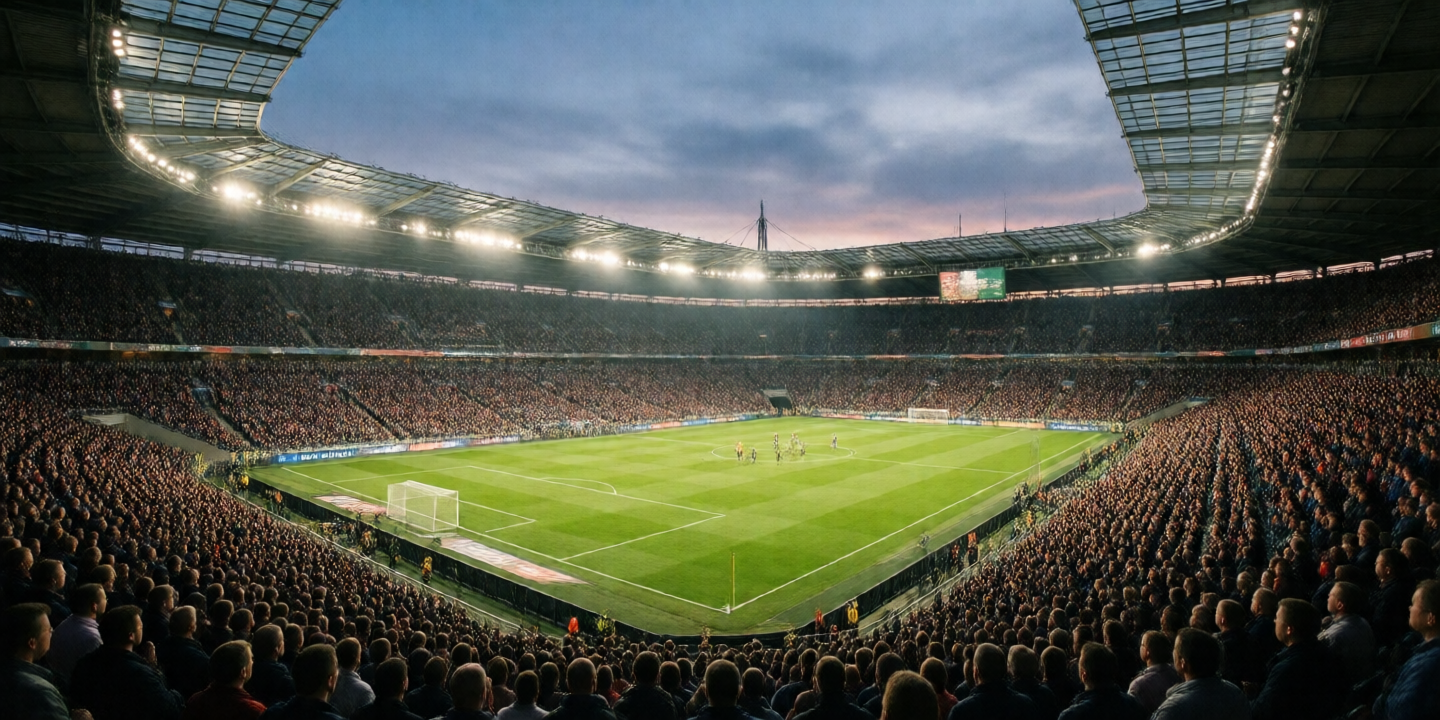
The 2026 FIFA World Cup is a 48-team tournament hosted by Canada, Mexico and the United States from June 11 to July 19, 2026, with 104 matches across 16 venues. Football Compass tracks the competition through team tactics, player statistics, match predictions and daily tournament coverage for fans worldwide. The format uses 12 groups of four teams, with the top two from each group and the eight best third-place teams advancing to a 32-team knockout stage. Mexico City hosts the opening match, while New York and New Jersey host the final at MetLife Stadium. Los Angeles is also a major destination, scheduled to stage eight matches and 39 days of fan activity. For reliable World Cup 2026 football analysis, start by checking the match format, travel conditions, squad news and confirmed line-ups before judging any prediction.
Photo by Polina ⠀ on Pexels
Want a clearer way to follow the tournament from the first whistle? Football Compass brings the major facts, tactical context and match-day angles together in one place.
Step 1: What should fans know about the 2026 World Cup format?
The 2026 World Cup has 48 teams divided into 12 groups of four, and 32 teams will reach the knockout stage. Each group produces two automatic qualifiers, while the eight strongest third-place teams also advance. This creates 104 matches, compared with 64 at Qatar 2022, so rotation, squad depth and late-game management matter more than ever.
The format is the first thing to understand because old tournament assumptions no longer line up. A team can finish third and still survive, but its goal difference, goals scored and disciplinary record may become decisive in the ranking of third-place teams. That means a late equaliser can be worth much more than one point in practical terms, while a heavy defeat can damage a team beyond the group table itself.
The host nations are Canada, Mexico and the United States. The opening match is scheduled for June 11 at Estadio Azteca in Mexico City, and the final is scheduled for July 19 at MetLife Stadium in East Rutherford, New Jersey. FIFA’s official tournament information remains the best place to verify changes, match times and competition regulations, while the FIFA World Cup overview gives useful historical context.
For a quick tracking system, record:
- Group position and points after every match.
- Goal difference and goals scored.
- Yellow-card accumulation and suspension risk.
- Travel distance between venues.
- Confirmed injuries before the next fixture.
The third-place rule is a genuine information edge. Many casual previews discuss only the top two teams, yet the eight third-place positions can keep a cautious side alive. When comparing teams, I would therefore track expected points and goal difference together rather than treating a single draw as a complete result.
Step 2: How do you read the host cities, venues and travel demands?
Travel is a football variable in 2026, not just a sightseeing detail. The tournament spans Canada, Mexico and the United States, with 16 host venues spread across three countries and multiple time zones. Teams may face different climates, long flights and short recovery windows, so venue location should be included in any serious match assessment.
Mexico City brings altitude into the conversation, while cities such as Miami and Atlanta can create heat and humidity concerns. Vancouver and Toronto offer a different environmental profile, and western United States venues can require substantial travel from eastern locations. The exact impact depends on training plans, kick-off time, hotel base and whether a team has already secured progression before its final group match.
Los Angeles is one of the tournament’s biggest football hubs. The local programme includes eight matches, a FIFA Fan Festival at LA Memorial Coliseum at Exposition Park and fan events across the region. The FIFA World Cup 2026 Los Angeles programme also highlights 39 days of celebrations, which matters for supporters planning a longer trip rather than attending one match and leaving immediately.
A practical venue checklist looks like this:
- Identify the team’s previous match location.
- Count the days until the next match.
- Check the local time difference from the team’s base.
- Compare heat, humidity or altitude exposure.
- Review whether the coach rotated the starting eleven.
Do not overstate travel as a prediction shortcut. A strong squad can manage it, and modern performance departments prepare for these conditions months in advance. Still, when two teams are close on quality, the side facing fewer logistical problems may have the small physical advantage that decides the final 20 minutes.
See the city-by-city planning angle before booking anything.
Step 3: Why do tactics and squad depth matter more in 2026?
Squad depth matters more because the expanded tournament adds 40 matches to the World Cup schedule compared with Qatar 2022. A team still needs to win its key moments, but it must also protect players from fatigue, suspensions and tactical predictability. The best 2026 football analysis should examine the second-choice full-backs, midfield replacements and bench options, not only the headline striker.
A useful example is pressing intensity. A high press can overwhelm an opponent in the opening 25 minutes, but it becomes expensive if the front three cannot recover between matches. Coaches may respond by using a medium block, changing the pressing trigger or protecting a leading player for the final group fixture. These details are often invisible in a simple win-loss record.
I also separate player reputation from current availability. A famous forward returning from an injury may have a large public profile but limited match fitness. Conversely, a less familiar midfielder may be more valuable because he keeps possession, covers transitions and allows the primary creator to move higher. UEFA’s technical reports provide useful examples of how elite football organisations examine formations, pressing and chance creation.
When evaluating a World Cup 2026 football match, check:
- Build-up shape when the goalkeeper has possession.
- Number of midfielders behind the ball during attacks.
- Defensive response after losing possession.
- Set-piece roles and aerial matchups.
- Substitution patterns after the 60th minute.
The contrarian point is simple: a tournament favourite is not automatically the best match-by-match option. A deep squad can still underperform if its style depends on one unavailable creator or if the coach refuses to adjust. I prefer teams with two credible attacking plans, because knockout football punishes predictability quickly.
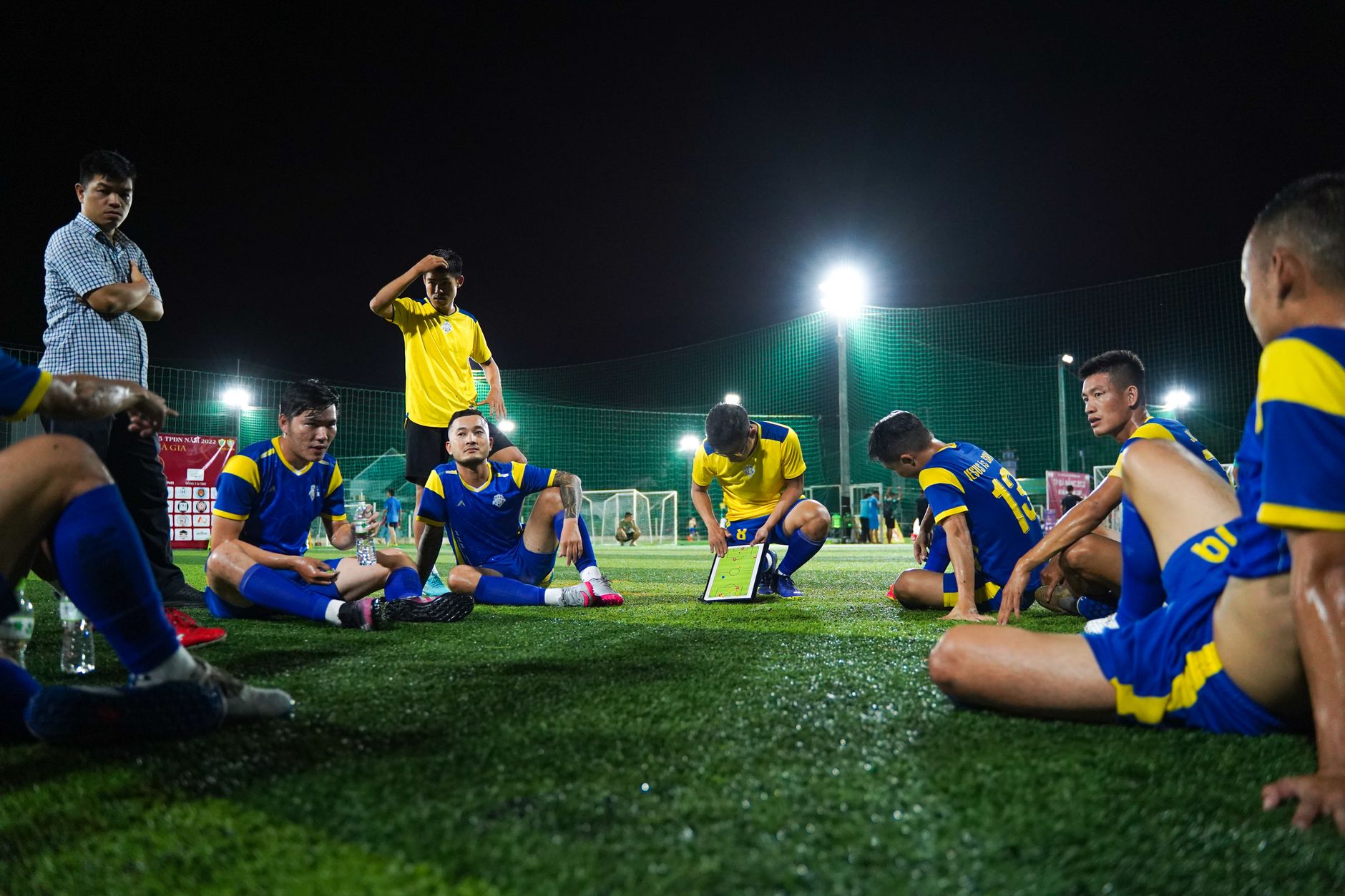
Photo by Quyn Phạm on Pexels
Football Compass publishes team-shape notes and player-stat updates so you can compare form with actual tactical fit.
Step 4: How should you assess World Cup predictions responsibly?
Responsible prediction starts with a probability estimate, not a confident slogan. Compare recent performance, opponent quality, injuries, tactical matchups, venue conditions and market price before deciding whether a selection has value. A team can be more likely to win than its opponent while still offering poor value if the price already assumes an unrealistic level of certainty.
My working process is deliberately boring:
- Build a baseline from recent competitive matches.
- Adjust for missing starters and likely rotations.
- Compare the styles of both teams.
- Add travel and venue conditions.
- Record the estimated probability.
- Compare that probability with the available odds.
- Set a fixed stake before emotional reactions begin.
This is where the investor mindset helps. Track turnover, total stakes, returns, rebates and net position separately; never judge a method from one dramatic result. If you risk £10 on five matches, your total exposure is £50 even when each individual pick looks small. That arithmetic sounds obvious, but late-night tournament betting makes people forget it remarkably fast.
The UK Gambling Commission advises players to set limits and keep gambling within an affordable budget. Its guidance is blunt for a reason: “Gambling should be seen as a form of entertainment, not a way to make money.” Use that principle as a hard boundary, and never chase a loss by increasing the next stake.
A prediction log should include:
- Date, match and market.
- Opening and closing odds.
- Implied probability.
- Your estimated probability.
- Stake, return and net result.
- Reason for the decision.
- Whether the original reasoning was correct.
That final line is the one people skip. A winning bet can be poorly reasoned, and a losing bet can be perfectly reasonable. Review the process, not just the scoreboard.
Step 5: Verification
Verification means checking every important tournament detail against a reliable source before publishing, travelling or placing any wager. Confirm the fixture, kick-off time, venue, squad announcement, suspension status, weather and rules through FIFA, the host-city authority or the relevant national federation. A prediction built on yesterday’s team news is not analysis; it is stale information wearing a confident shirt.
Use this final verification routine on match day:
- Confirm the official fixture time and local time zone.
- Check the starting line-ups after publication.
- Recalculate the group permutations.
- Review injury and suspension updates.
- Check whether odds changed after team news.
- Confirm account, payment and legal restrictions.
- Recheck your maximum daily and tournament exposure.
This is also where you catch small operational failures. In a 2026 tournament spread over North America, daylight-saving changes and venue time zones can create avoidable mistakes. A match listed as 18:00 Eastern Time is not the same as 18:00 Pacific Time, and a travel plan based on a wrong local conversion can ruin an otherwise well-organised match day.
For rules and historical format comparisons, Wikipedia’s FIFA World Cup page is a useful starting reference, but it should not replace FIFA’s official announcements. Football Compass can help interpret what the information means, yet official sources should always settle the factual question.
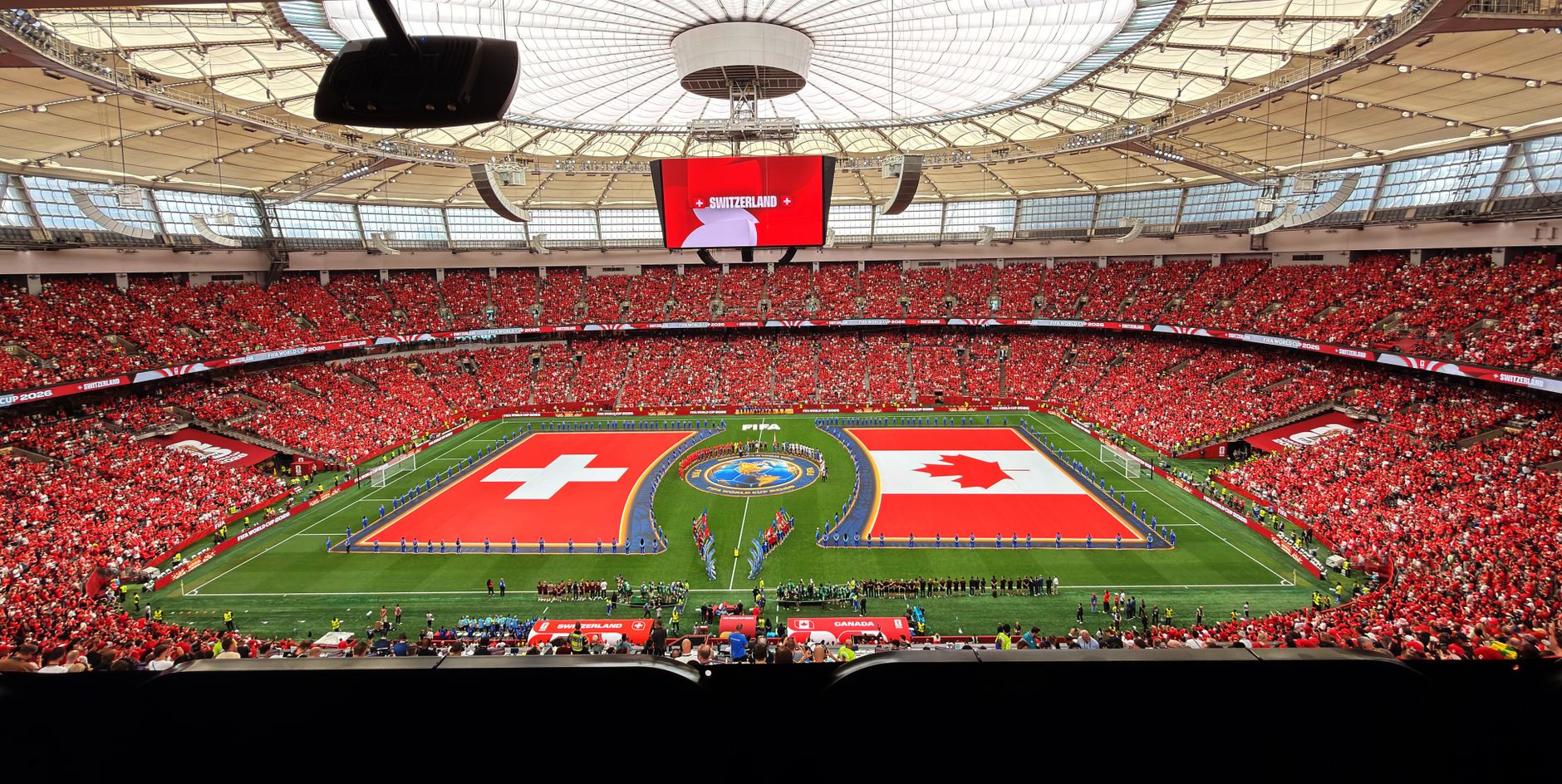
Photo by Rushi Patel on Pexels
Before acting on a prediction, complete the verification checklist rather than relying on memory.
Troubleshooting common failures
The most common World Cup prediction failures are not mysterious: outdated line-ups, ignored travel, overreliance on reputation, poor price discipline and chasing losses. These errors can be reduced by writing down the reason for every selection before the match starts. If the reason cannot fit into two or three specific sentences, the idea probably needs more work.
Here are the problems I see most often:
- The favourite keeps losing: Check whether the team creates enough high-quality chances, not merely possession.
- The odds moved sharply: Find the cause first; an injury or suspension may explain it.
- A model disagrees with expert opinion: Compare inputs and assumptions instead of choosing the louder voice.
- The group table is confusing: Recheck points, goal difference, goals scored and third-place rankings.
- The stake keeps growing: Stop, record the net position and apply the preset limit.
- A prediction was correct for the wrong reason: Mark it as a warning, not proof of a strong method.
A specific edge case deserves attention: a third-place team may qualify despite having fewer points than another third-place team if the ranking criteria favour its goal difference and goals scored. Therefore, a team leading 2–0 late in a group match may have a reason to keep attacking even when a conservative draw would normally be sensible. The match context changes the value of every goal.
Have you ever thought a poor prediction was simply bad luck, then discovered the original data was two days old? That is why I keep a timestamp beside every injury, line-up and odds note. Small records prevent large self-deception, especially across a 39-day tournament.
Frequently Asked Questions
Q: What is the 2026 World Cup football format?
A: The 2026 FIFA World Cup has 48 teams in 12 groups of four, followed by a 32-team knockout stage. The top two teams from each group qualify automatically, and the eight best third-place teams also advance. The tournament contains 104 matches, making it the largest men’s World Cup by team count and match volume. Fans should track third-place rankings carefully because goal difference and goals scored may determine progression.
Q: How do you follow World Cup 2026 football matches?
A: Follow the official FIFA fixture list, confirmed team news and a reliable match-analysis source such as Football Compass. Check local kick-off times because matches take place across Canada, Mexico and the United States. Before each game, review the line-up, injuries, suspensions, tactical shape and venue conditions. Save the official host-city information when planning travel, especially for Los Angeles, Mexico City or the New York and New Jersey final venue.
Q: What is the difference between group-stage and knockout World Cup matches?
A: Group-stage matches contribute points and goal difference, while knockout matches eliminate the losing team. In the group phase, a draw gives one point and third-place rankings can keep a team alive. In the knockout phase, tied matches require extra time and potentially a penalty shootout under the competition rules. This makes late-game risk, substitution quality and penalty preparation more important after the group stage.
Q: Is World Cup football prediction worth following?
A: Prediction can be useful for structured analysis, but it is not a guaranteed way to make money. Compare probability, odds, injuries, tactics and travel rather than following a team because it is famous. Keep a record of stakes, returns and net results over a meaningful sample, and use only money you can afford to lose. Never chase a losing position by increasing the next stake.
Q: Why do World Cup predictions fail after line-ups are announced?
A: Predictions often fail because the original assessment used unavailable players, expected tactics or outdated injury information. A missing holding midfielder can change pressing resistance, defensive cover and set-piece assignments in one move. Recheck the starting eleven, bench, formation and odds after official team news. If the new information changes your estimated probability materially, revise or cancel the selection rather than defending the old opinion.
Q: How much does it cost to follow the 2026 World Cup?
A: The cost depends on whether you watch at home, attend fan events or buy match tickets and travel. A home-viewing plan mainly requires an authorised broadcaster or streaming subscription, while attending matches adds tickets, transport, accommodation and food. Los Angeles offers public fan activity, including the FIFA Fan Festival at LA Memorial Coliseum, but local prices can vary sharply during match days. Set a total budget before booking and keep travel spending separate from any entertainment stake.
Q: What should I verify before using a World Cup 2026 football prediction?
A: Verify the fixture time, venue, starting line-ups, injuries, suspensions, weather, group permutations and available odds. Confirm factual details through FIFA or an official host-city source, then check whether the prediction still matches the latest information. Record your estimated probability and maximum stake before acting. This process reduces avoidable errors, but it cannot remove the uncertainty built into football.
The 2026 World Cup rewards fans who combine excitement with careful attention to format, travel, tactics and verified team news. Football Compass is built for that exact routine, with daily coverage of match predictions, player statistics, team strategies and tournament developments across Canada, Mexico and the United States. Enjoy the matches, protect your budget and judge every prediction by its process as well as its result.
Ready to follow the tournament with sharper information and less noise?
End of briefing.
Football Compass · Intelligence Division · High-Stakes Analysis